
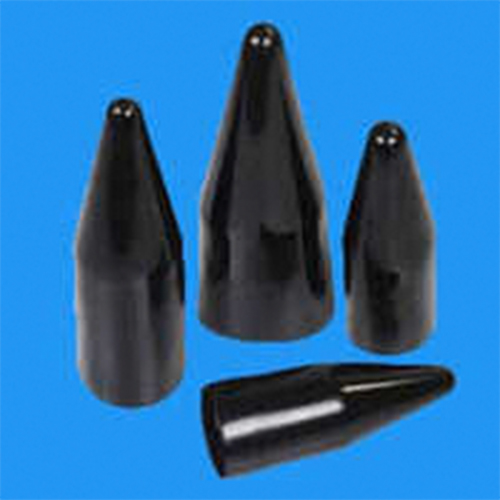
Description
Key Functions
-
Corrosion Protection: It shields the metal parts of the gland (brass or steel) from moisture and salt air, which is critical in coastal or industrial environments.2
-
Enhanced IP Rating: While a gland might be rated IP66, adding a shroud helps maintain that seal by preventing water from “tracking” or pooling around the threaded entry.3
-
Armor Protection: For Steel Wire Armored (SWA) cables, the shroud covers the junction where the armor is clamped, preventing the wires from rusting and maintaining electrical continuity for grounding.
-
Dirt Prevention: It stops dust and debris from accumulating in the threads, making it much easier to loosen or maintain the gland years later.4
Technical Compatibility
Because “22mm” can refer to different standards depending on the manufacturer, it usually fits the following:
-
Metric: Often used for M20 glands with a larger body or M25 small-body glands.
-
Imperial/ET: Specifically designed for 7/8″ (22mm) or 1″ ET (Electrical Thread) brass glands.
-
Cable Types: Typically used with 2-core or 3-core SWA (Steel Wire Armored) cables (e.g., 1.5mm² to 4.0mm²).
Installation Tips
| Tip | Why it matters |
| Slide On First | Shrouds are one-piece; you must slide it onto the cable before you wire the gland into the box. |
| Warm It Up | If the PVC is stiff (in cold weather), dip it in warm water for 30 seconds. This makes it much easier to stretch over the gland body. |
| Trim the Tip | The narrow end of the shroud is often tapered. You can use a utility knife to cut it back slightly so it grips your specific cable diameter tightly. |


Reviews
There are no reviews yet.