
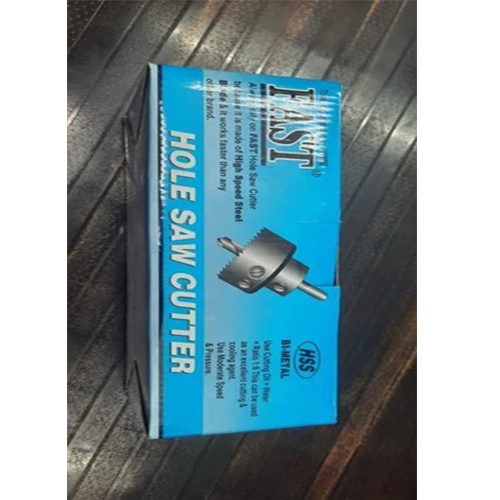
Description
TCT vs. Bi-Metal: The Performance Shift
Historically, many used Bi-Metal saws for general work. However, 2025 trends show a definitive move toward TCT (Tungsten Carbide Tipped). Why? Modern materials are tougher and more heat-resistant.1 TCT bits allow for “dry drilling” in hard alloys, maintaining a razor-sharp edge long after traditional bits have burned out.
Energy Efficiency in the Cordless Era
With the dominance of cordless tools, energy conservation is vital. A 35mm hole saw only cuts the perimeter ring (the kerf). This process consumes roughly 40% less torque than a standard twist drill, allowing for more holes per battery charge and significantly less wear on your drill’s motor.
Technical Comparison & Charts
Performance Comparison: TCT vs. Bi-Metal vs. HSS
| Feature | TCT (Fast Cutter) | Bi-Metal (M42) | Standard HSS |
| Durability | Exceptional (500+ Holes) | High (100-150 Holes) | Moderate (30-50 Holes) |
| Material Range | Stainless, Iron, Hardwood | Mild Steel, PVC, Wood | Plastic, Thin Sheet |
| Cutting Speed | Ultra-Fast | Moderate | Fast (Initially) |
| Heat Resistance | Superior ($1000^\circ\text{C}$) | High ($600^\circ\text{C}$) | Moderate ($400^\circ\text{C}$) |
| Cost per Hole | Lowest (Long-term) | Medium | High (Replacement costs) |
Recommended RPM Chart (35mm Cutter)
To maximize tool life, match your drill speed to the material being cut:
| Material | Recommended RPM | Coolant Required? |
| :— | :— | :— |
| Stainless Steel (316) | 300 – 450 RPM | Yes (Cutting Oil) |
| Mild Steel Plate | 500 – 750 RPM | Recommended |
| Aluminum / Brass | 900 – 1200 RPM | Optional |
| Hardwood / Laminate | 1200 – 1500 RPM | No |
| Cast Iron | 350 – 550 RPM | No (Dry) |


Reviews
There are no reviews yet.