
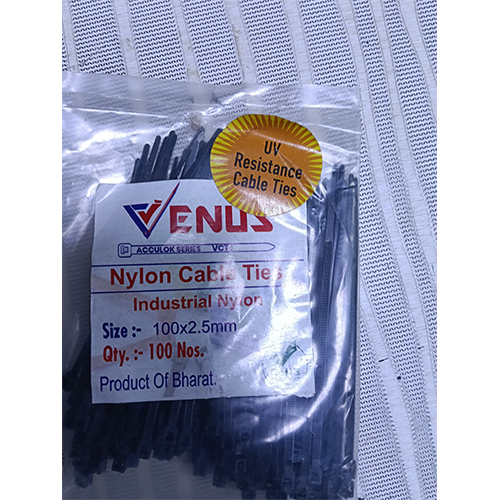
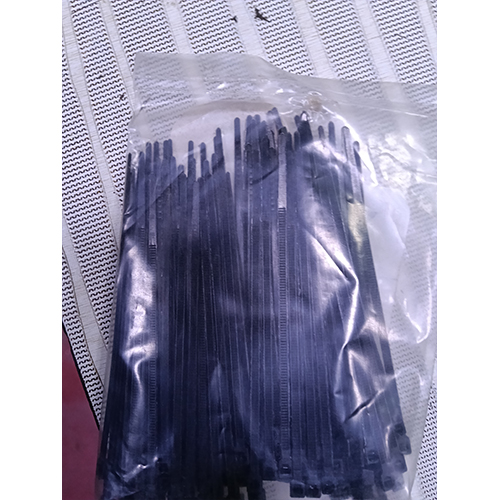


Description
The Science of “Chalking” and Failure
When standard white or colored nylon ties are exposed to the sun, they undergo a chemical process called photo-oxidation.3 You might notice them turning yellow, developing a white “chalky” dust, and eventually snapping with the slightest pressure. VENUS solves this by integrating hindered amine light stabilizers (HALS) and carbon black, which absorb UV energy and convert it into harmless heat before it can break the polymer chains.
Solar and 5G: The High-Stakes Applications
With the massive rollout of 5G small cells and residential solar arrays, the demand for small-profile, high-durability ties has skyrocketed. The 100 x 2.5 mm size is the “sweet spot” for securing lightweight communication cables and grounding wires. Using a non-UV rated tie in these sectors isn’t just a maintenance headache—it’s a safety liability that can lead to loose, hanging wires and potential electrical shorts.
Technical Comparison & Charts
Comparison: VENUS UV Black vs. Standard Nylon Ties
| Feature | Standard Nylon (Natural) | VENUS UV Black |
| Primary Environment | Indoor / Controlled | Outdoor / Harsh Sunlight |
| UV Resistance | Poor (Brittle in < 1 year) | Excellent (7 – 10 Year Life) |
| Material Grade | Nylon 6.6 | Nylon 6.6 + Carbon Black |
| Chemical Resistance | Good (Oils/Grease) | Superior (Ozone/Weathering) |
| Visual Indicator | White/Translucent | Black (Matte Finish) |
VENUS 100 x 2.5 mm Specifications
| Parameter | Value |
| Tensile Strength | 8.1 kg (18 lbs) |
| Max Bundle Diameter | 22 mm |
| Min. Operating Temp | -40 C |
| Max. Operating Temp | +85 C |
| Flammability Rating | UL 94 V-2 |
| Standard Packing | 100 pieces per packet |


Reviews
There are no reviews yet.