

Description
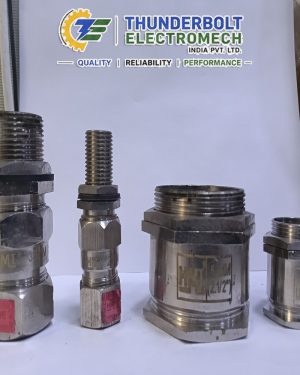
Comet Single Compression Brass Cable Gland 75mm (3”)
The Comet Single Compression Brass Cable Gland 75mm (3”) is designed to provide a secure and dependable cable-entry solution for electrical panels, enclosures, junction boxes, industrial machinery, control systems, and other electrical installations. Cable glands play an important role in an electrical installation by securing cables at their entry point, providing mechanical retention and strain relief, and helping create a protected interface between the cable and enclosure.
This Comet cable gland features a brass construction and a single-compression design, making it suitable for compatible cable-entry applications where secure gripping and sealing around the cable sheath are required.
The 75mm (3”) designation should not, however, be used as the only criterion for selecting the product. The correct gland must be matched to the actual outer diameter (OD) of the cable, the manufacturer’s specified clamping range, cable construction, enclosure entry, thread type, and environmental requirements. Cable-gland sizing guides consistently identify cable OD as a critical selection parameter because the gland seals and grips the outside of the cable rather than its conductor size.
For detailed guidance, customers can also refer to Thunderbolt Electromech India Pvt. Ltd.’s Cable Gland Supplier India pillar guide, which explains cable-gland selection, sizing, construction, threads, applications, and installation considerations.
Key Features
- Brand: Comet
- Product Type: Single Compression Brass Cable Gland
- Nominal Size: 75mm (3”)
- Material: Brass
- Designed for secure cable entry and mechanical retention
- Provides strain-relief functionality when correctly installed
- Suitable for compatible electrical and industrial cable-entry applications
- Robust metallic construction
- Selection should be verified against actual cable OD and manufacturer’s specifications
Why Is Cable Gland Size Important?
Selecting the correct cable gland is essential for achieving proper cable retention and sealing. A gland is designed around a particular cable acceptance or clamping range. If the cable is smaller than the appropriate range, the sealing component may not compress adequately. If the cable is larger than the permitted range, excessive compression can make installation difficult and potentially damage the cable sheath or sealing component.
This is why the 75mm (3”) Comet Cable Gland should be selected using the manufacturer’s dimensional information rather than simply choosing a gland according to the cable’s conductor size.
Two cables having the same conductor cross-section can have different overall diameters because of differences in insulation, number of cores, armour, bedding, sheath construction, and manufacturer design.
How to Select the Correct 75mm Cable Gland
Before ordering the Comet Single Compression Brass Cable Gland 75mm (3”), check these important parameters:
1. Measure Cable Outer Diameter
Measure the completed cable’s outside diameter, including its outer sheath. A vernier caliper can provide an accurate measurement. Where a manufacturer’s datasheet is available, use its stated cable OD and tolerance.
2. Check the Gland Clamping Range
Compare the actual cable OD with the Comet gland’s specified cable acceptance range. The cable diameter should fall within the manufacturer’s recommended range.
3. Confirm the Thread
Cable OD and gland mounting thread are two different dimensions. The thread must match the enclosure or equipment entry. Metric, PG, NPT, and other thread systems should not be assumed to be interchangeable.
4. Identify Cable Construction
Confirm whether the cable is armoured or unarmoured and identify its construction before selecting a gland. Single-compression and double-compression glands serve different cable-entry requirements.
5. Consider the Installation Environment
For outdoor, dusty, wet, vibrating, corrosive, or otherwise demanding environments, the gland assembly should be selected according to the required environmental and ingress-protection requirements.
For more detailed guidance, visit the Cable Gland category on the Thunderbolt Electromech website.
Applications
The Comet Single Compression Brass Cable Gland 75mm (3”) can be used for suitable electrical and industrial cable-entry applications where its dimensional specifications and cable compatibility match the installation requirements.
Typical applications may include:
- Electrical control panels
- Power distribution equipment
- Junction boxes
- Control cabinets
- Industrial machinery
- Manufacturing plants
- Electrical enclosures
- Automation equipment
- Infrastructure projects
- Industrial cable-entry systems
- OEM equipment
- Maintenance and electrical installation projects
The final selection should always be based on the cable’s actual dimensions, gland specifications, enclosure entry, thread requirement, and operating environment.
Why Choose Thunderbolt Electromech India Pvt. Ltd. for Cable Glands?
Thunderbolt Electromech India Pvt. Ltd. supplies cable glands and related electrical products for industrial, commercial, infrastructure, OEM, panel-building, and engineering requirements.
Choosing the correct cable gland is more than simply selecting a nominal size. Customers need to consider cable OD, cable construction, compression type, thread, material, installation conditions, and sealing requirements. Thunderbolt Electromech can help buyers identify the relevant product specifications before procurement.
The company serves electrical contractors, panel manufacturers, EPC companies, OEMs, maintenance teams, project procurement departments, industrial buyers, and other customers requiring cable-entry products.
Customers can also explore the complete Cable Gland blog and guide collection for additional information about cable gland selection, sizing, installation, and applications.
For a broader technical overview, the Cable Gland Supplier India pillar page provides additional guidance on choosing cable glands for industrial projects.
Single Compression vs. Double Compression Cable Glands
A common customer question is whether a single-compression or double-compression gland should be selected.
A single-compression cable gland primarily provides compression around the cable’s outer sheath and is selected according to the cable and installation requirements.
A double-compression cable gland incorporates additional compression arrangements and is commonly associated with armoured cable applications where additional mechanical retention and sealing requirements exist.
The correct choice depends on cable construction and the technical requirements of the installation. Therefore, customers should not substitute one type for another solely on the basis of nominal gland size.
Installation Considerations
Correct installation is important for obtaining the intended performance from a cable gland.
Before installation:
- Verify the gland size against the cable manufacturer’s dimensions.
- Confirm the cable OD.
- Check the enclosure entry and thread specification.
- Inspect the gland and sealing components for damage.
- Ensure the cable is correctly positioned.
- Tighten the gland according to the manufacturer’s recommended procedure and torque requirements where specified.
- Avoid excessive tightening that could damage the cable sheath or sealing components.
- After installation, check that the cable is securely retained and that the entry is properly sealed.
Incorrect sizing, incompatible threads, damaged sealing components, and improper tightening are among the issues that can compromise cable-entry performance.
Frequently Asked Questions
1. What size cable does a 75mm cable gland fit?
A 75mm (3”) cable gland does not automatically mean that it fits every 75mm diameter cable. The correct cable must fall within the specific gland’s manufacturer-specified cable clamping range. Always verify the actual cable OD against the Comet product’s technical specifications before ordering.
2. How do I choose the correct cable gland size?
Measure the cable’s complete outer diameter and compare it with the gland’s specified clamping range. Do not select a gland based solely on conductor size or the enclosure thread. The gland must accommodate the cable OD and have the correct mounting thread for the equipment.
3. Is cable size in sq.mm the same as cable gland size?
No. Cable size in sq.mm normally describes the conductor cross-sectional area, while cable-gland selection depends heavily on the cable’s external diameter and the gland’s clamping range. Cables with the same conductor size can have different outer diameters because of differences in construction and insulation.
4. What is the difference between cable gland size and thread size?
They refer to different aspects of the gland. The thread size determines how the gland mounts to the enclosure, while the cable acceptance/clamping range determines which cable diameters the gland can grip and seal. Both must be checked before ordering.
5. Can a brass cable gland be used outdoors?
A brass cable gland can be suitable for outdoor applications when the specific product, sealing arrangement, cable compatibility, environmental conditions, and required ingress protection are appropriate. Do not assume outdoor suitability solely from the fact that the gland is made from brass.
6. What happens if the cable gland is too large?
If the cable is below the gland’s suitable clamping range, the sealing component may not compress sufficiently around the cable. This can reduce cable retention and compromise sealing against dust or moisture.
7. Can I use this 75mm Comet gland for an armoured cable?
The correct gland type depends on the specific cable construction and the manufacturer’s product specifications. If the cable is armoured, verify whether a single-compression gland is appropriate or whether a suitable double-compression gland is required for the application.
Important Ordering Note
Before ordering the Comet Single Compression Brass Cable Gland 75mm (3”), confirm the cable’s actual outer diameter, cable construction, required gland type, mounting thread, and environmental requirements. Nominal gland size alone is not sufficient for accurate selection.
For technical assistance and cable-gland selection, customers can contact Thunderbolt Electromech India Pvt. Ltd.



Reviews
There are no reviews yet.