
Description
Technical Specifications
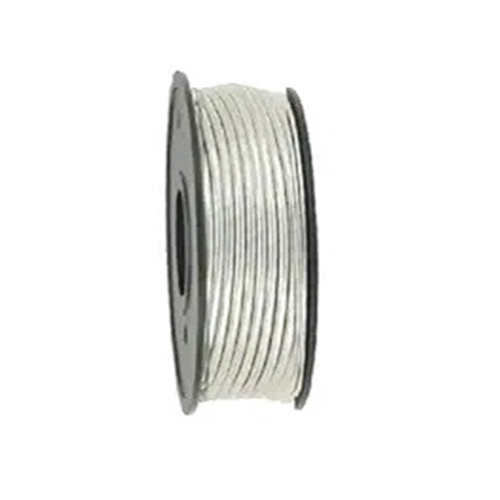
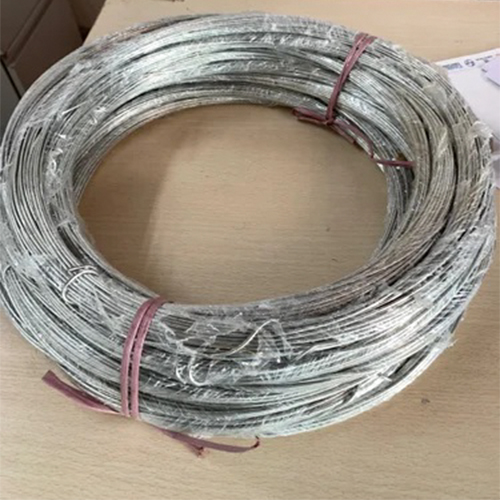
Based on standard industrial tables (including IS: 9926), a single strand of 14 SWG tinned copper wire has the following ratings:
-
Fusing Current: Approximately 166 Amps. This is the peak current where the wire will melt to disconnect the circuit.
-
Safe Current Rating: 100 Amps. It is typically used as the fusing element in 100A Kit-Kat style porcelain fuse carriers.
-
Resistance at 20°C: Approximately 0.0053 to 0.0056 $\Omega/m$.
-
Material: 99% pure copper with a tin coating, which prevents oxidation and ensures low-resistance contact over time.
Common Applications
-
100A Distribution Boards: The standard wire used for 100A main switches in industrial and commercial settings.
-
Industrial Machinery: Protection for large motors and sub-main feeders.
-
Heavy Duty Grounding: Used in bonding applications where a thick, corrosion-resistant conductor is needed.
Purchasing Options in India
You can find 14 SWG tinned copper fuse wire from various industrial suppliers, typically sold by weight.
| Supplier / Product | Key Features | Estimated Price |
| 14 SWG Fuse Wire | 100A Rated, compliant with IS 9926 standards. | ₹750 / kg |
| 14 SWG Wire | Grade C10100 high-conductivity copper with a polished tinned finish. | ₹835 / kg |
| 14 SWG Solid Wire | Solid round conductor designed for high-stress industrial use. | ₹850 / kg |
Installation Best Practices
-
Preparation: Always clean the brass terminals of the fuse holder before fitting. High resistance at the terminals can cause the wire to “nuisance blow” at a current lower than 166A.
-
Order of Assembly: If you are using this in an outdoor enclosure, ensure you have a cable gland shroud (like the 32mm or 42mm versions discussed earlier) to prevent moisture from reaching the fuse terminals.
-
Tension: Do not pull the wire too tight between terminals. Copper expands when hot; a wire with zero slack may snap mechanically during a high-load period before it actually reaches its fusing temperature.


Reviews
There are no reviews yet.