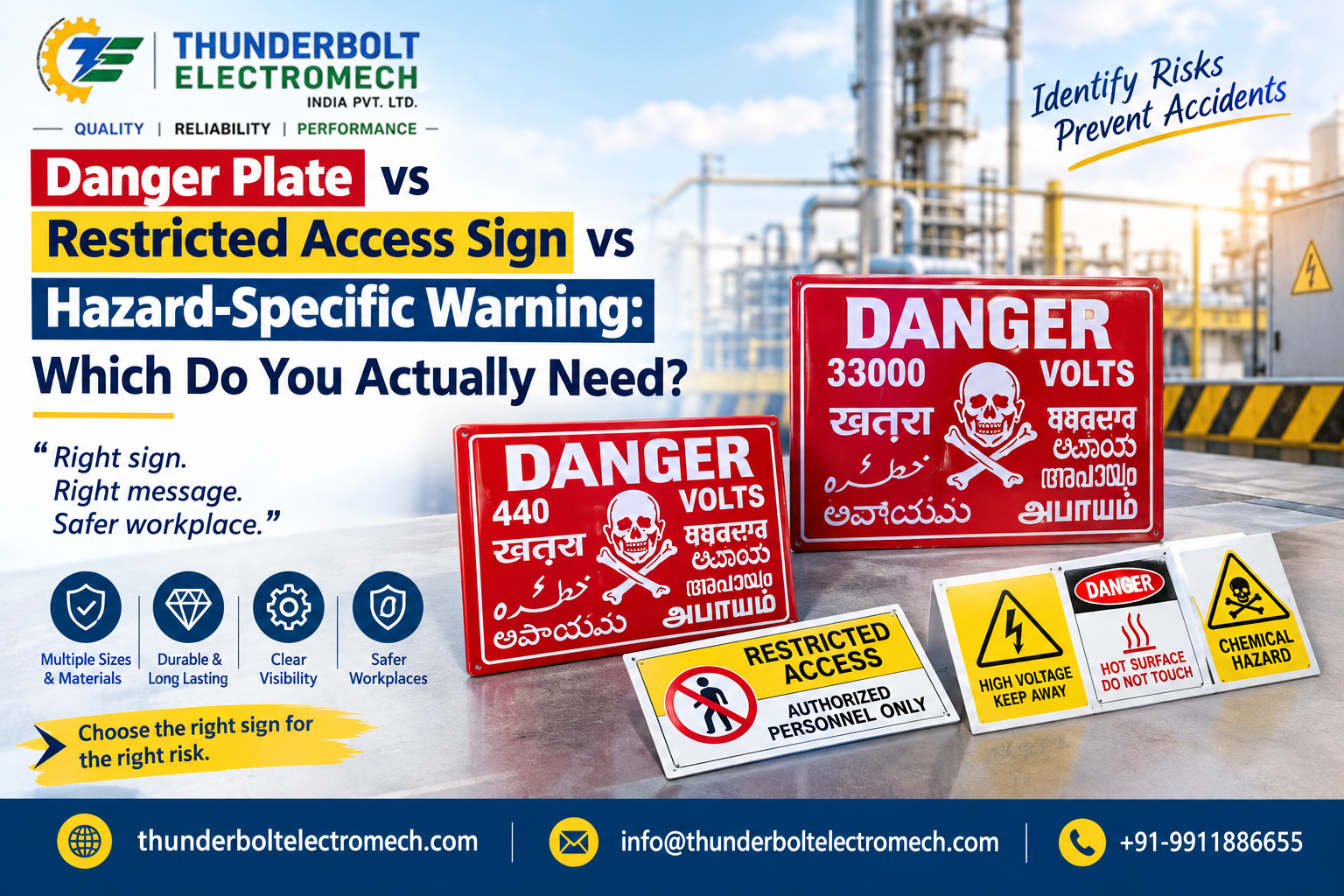
Danger Plate vs Restricted Access Sign vs Hazard-Specific Warning: Which Do You Actually Need?
Quick Answer: Most electrical sites need all three, because each sign does a different job. A danger plate, sourced from…

Quick Answer: Most electrical sites need all three, because each sign does a different job. A danger plate, sourced from…
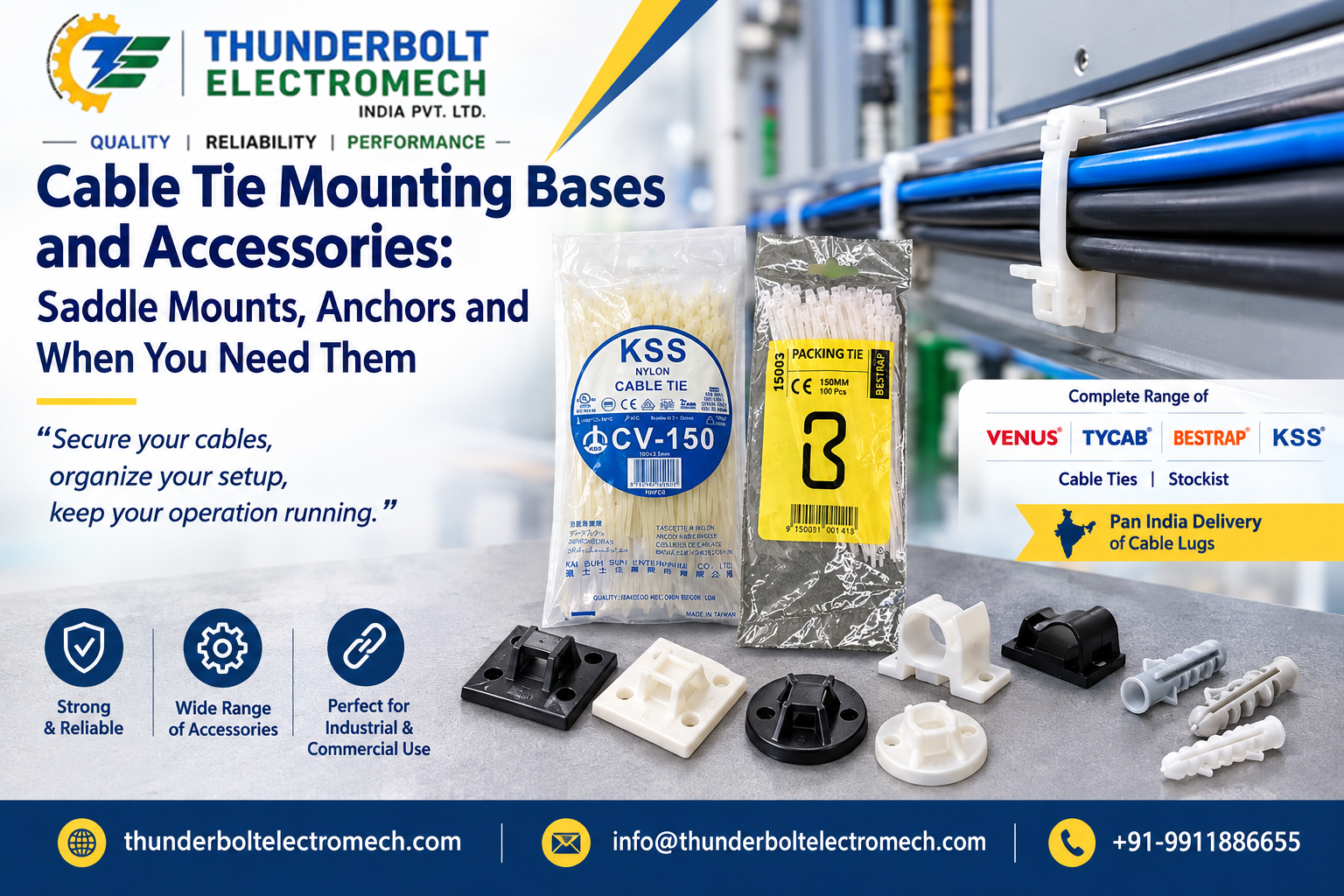
Quick Answer: A cable tie mounting base gives a tie a fixed anchor point on a panel, wall or chassis….

Quick Answer: Length matters when the cable pushes back. A long barrel cable lug spreads pull-out load over roughly 1.5…

Quick Answer: Cable glands for solar and renewable energy projects need to match the specific demands of IS 17293-compliant DC…

Quick Answer: Heat shrink sleeves used for cable and busbar insulation are classified under HSN 8546 (specifically 85469010 — “Heat…
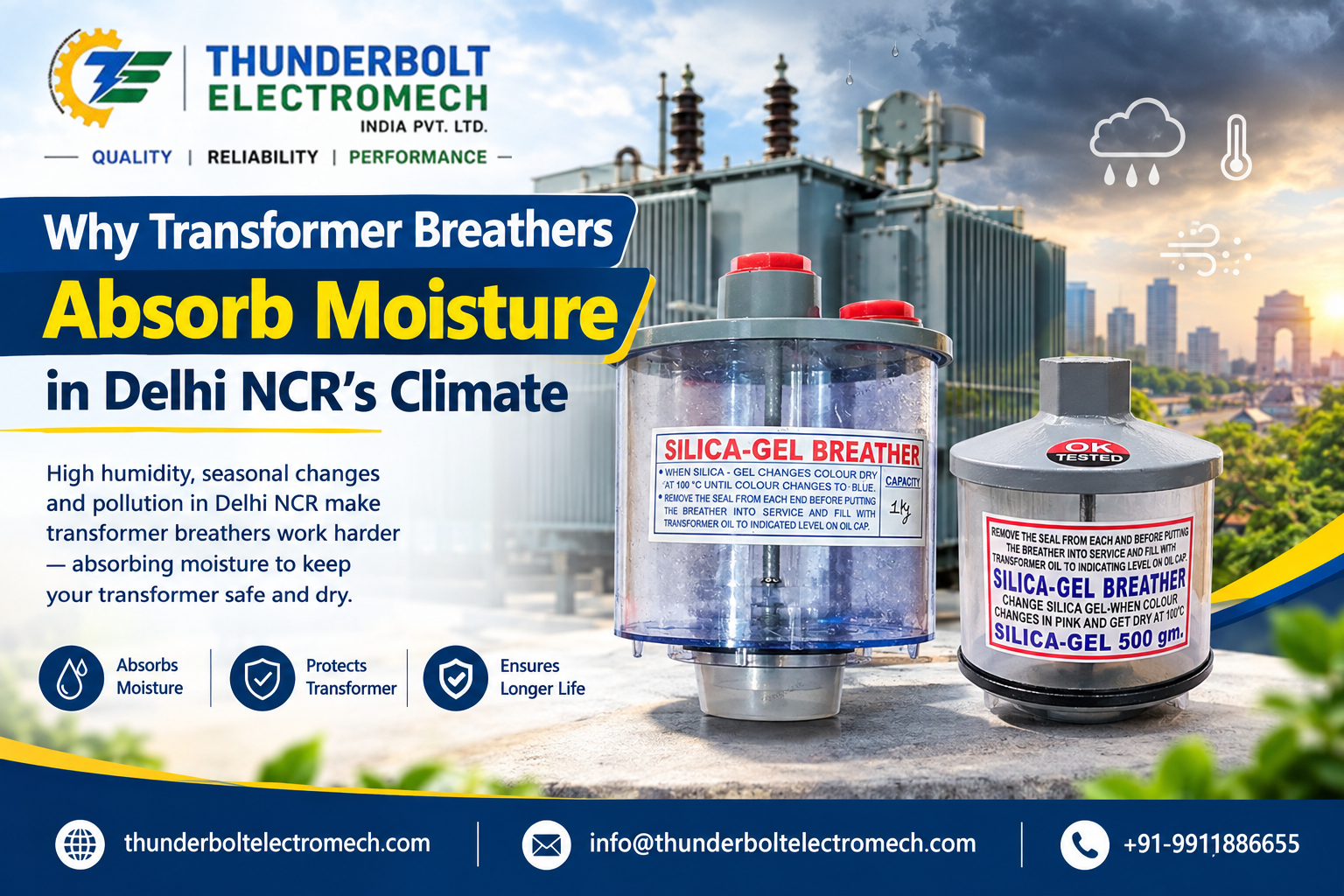
Quick Answer: A transformer breather absorbs moisture because silica gel inside it has millions of microscopic pores that trap water…
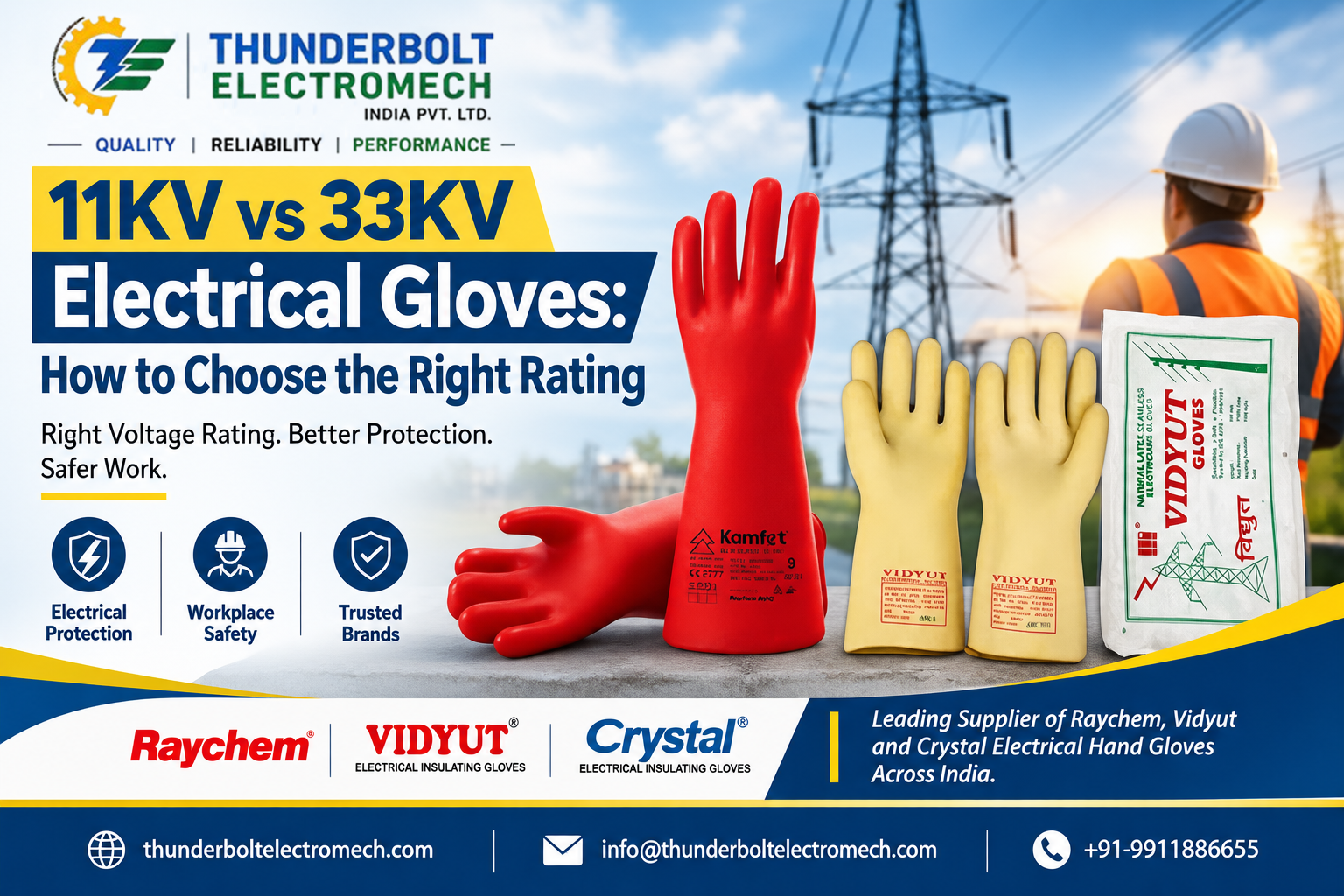
Quick Answer: 11KV and 33KV gloves are not interchangeable, and matching them by “nominal voltage” alone is the most common…
Quick Answer: Railway and metro tenders in India don’t reference a separate “RDSO-certified rubber mat” scheme — RDSO, the Research…
Quick Answer: Yes, when signs multiply without a plan, workers stop reading them. Research shows attention to repeated warnings fades,…
Quick Answer: Choose stainless steel cable ties when a job involves sustained heat above roughly 100 °C, salt or chemical…