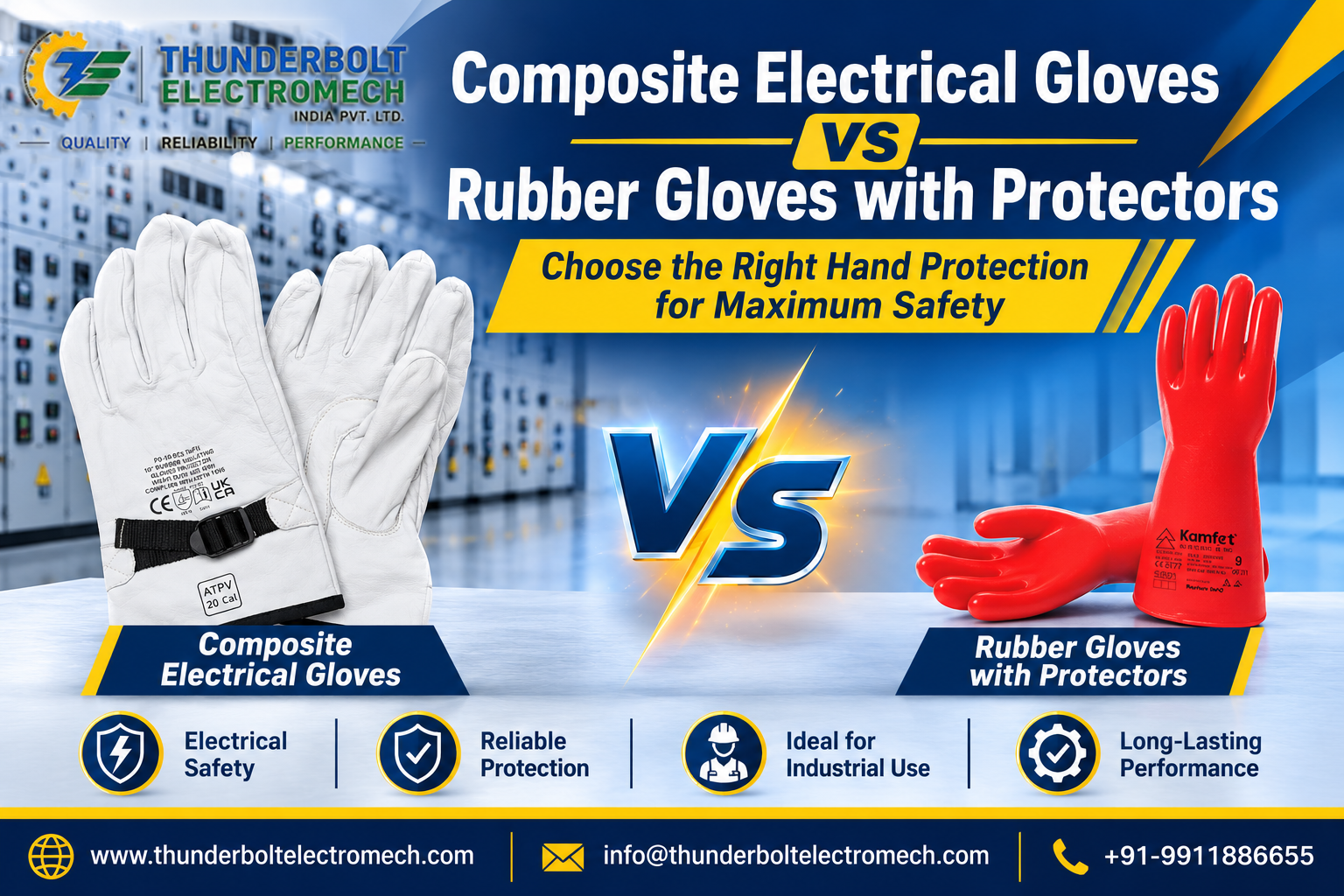
Composite Electrical Gloves vs Rubber Gloves with Protectors
Quick Answer: Composite electrical gloves build mechanical protection into the glove, so they need no separate leather overglove. Standard thin…

Quick Answer: Composite electrical gloves build mechanical protection into the glove, so they need no separate leather overglove. Standard thin…
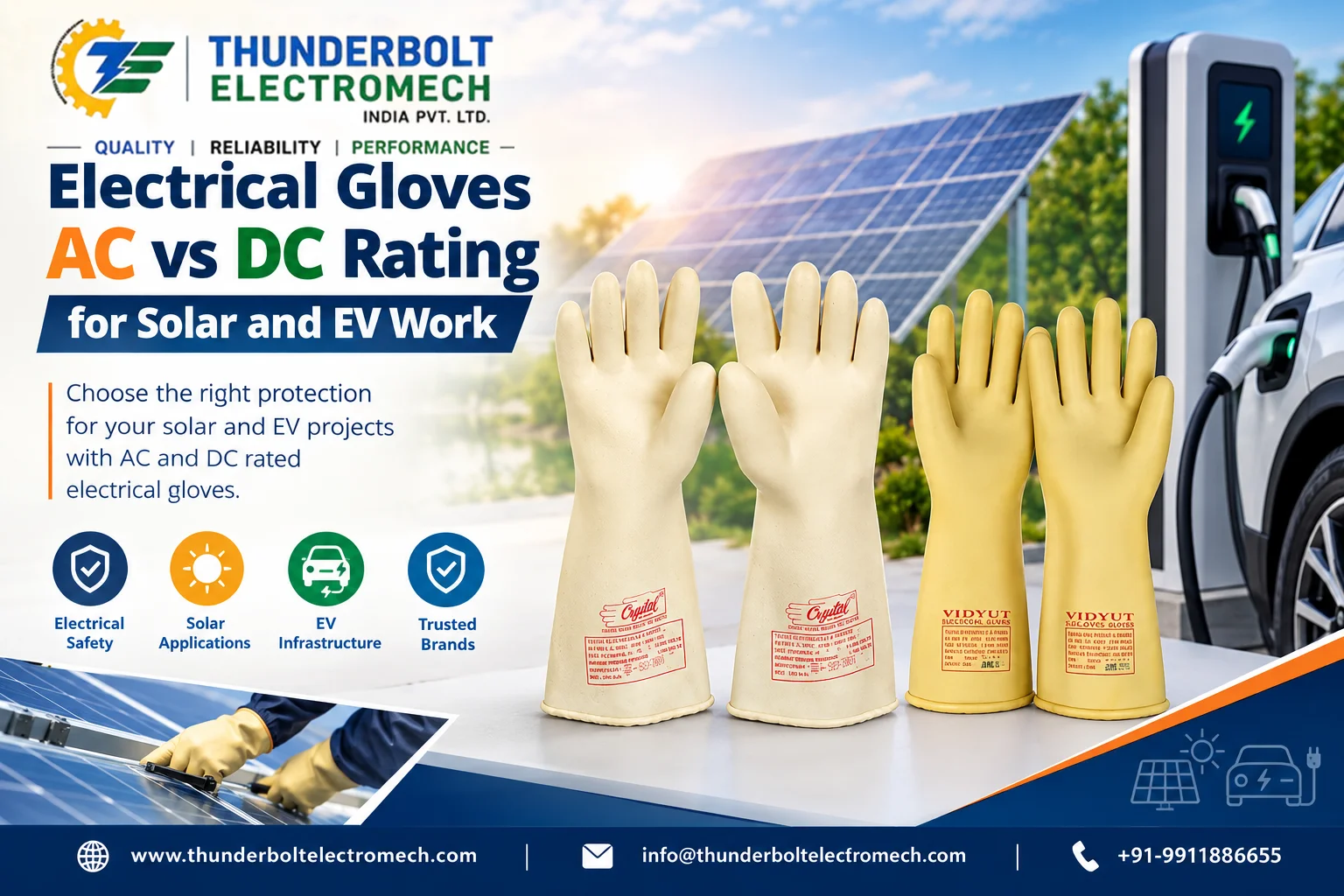
Quick Answer: IEC 60903 gives every glove class two maximum working voltages. One is for AC. A higher one is…

Quick Answer: Rubber insulating gloves protect against shock. Leather protectors worn over them add cut, puncture and arc protection, but…
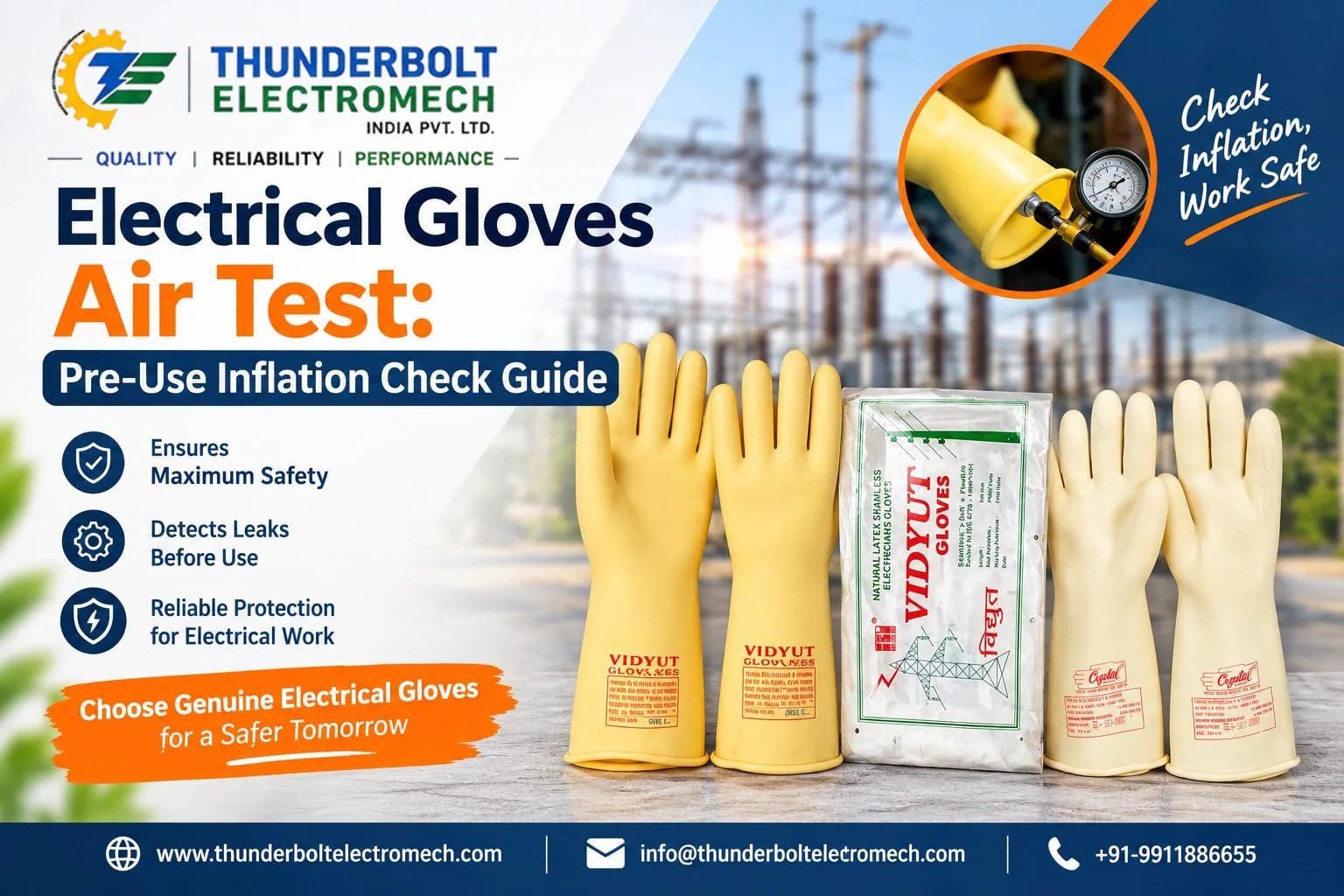
Quick Answer: An electrical gloves air test checks rubber insulating gloves for pinholes, cuts and ozone cracks before every use….

Quick Answer: Electrical gloves price depends on six things: voltage class, rubber thickness, the dipping method, per-piece testing, certification, and…

Quick Answer: Pick industrial electrical gloves in this order. First, find the highest voltage your team will touch. Second, choose…

Quick Answer: Choose electrical gloves by matching the glove class to your system voltage. Use Class 00 for up to…
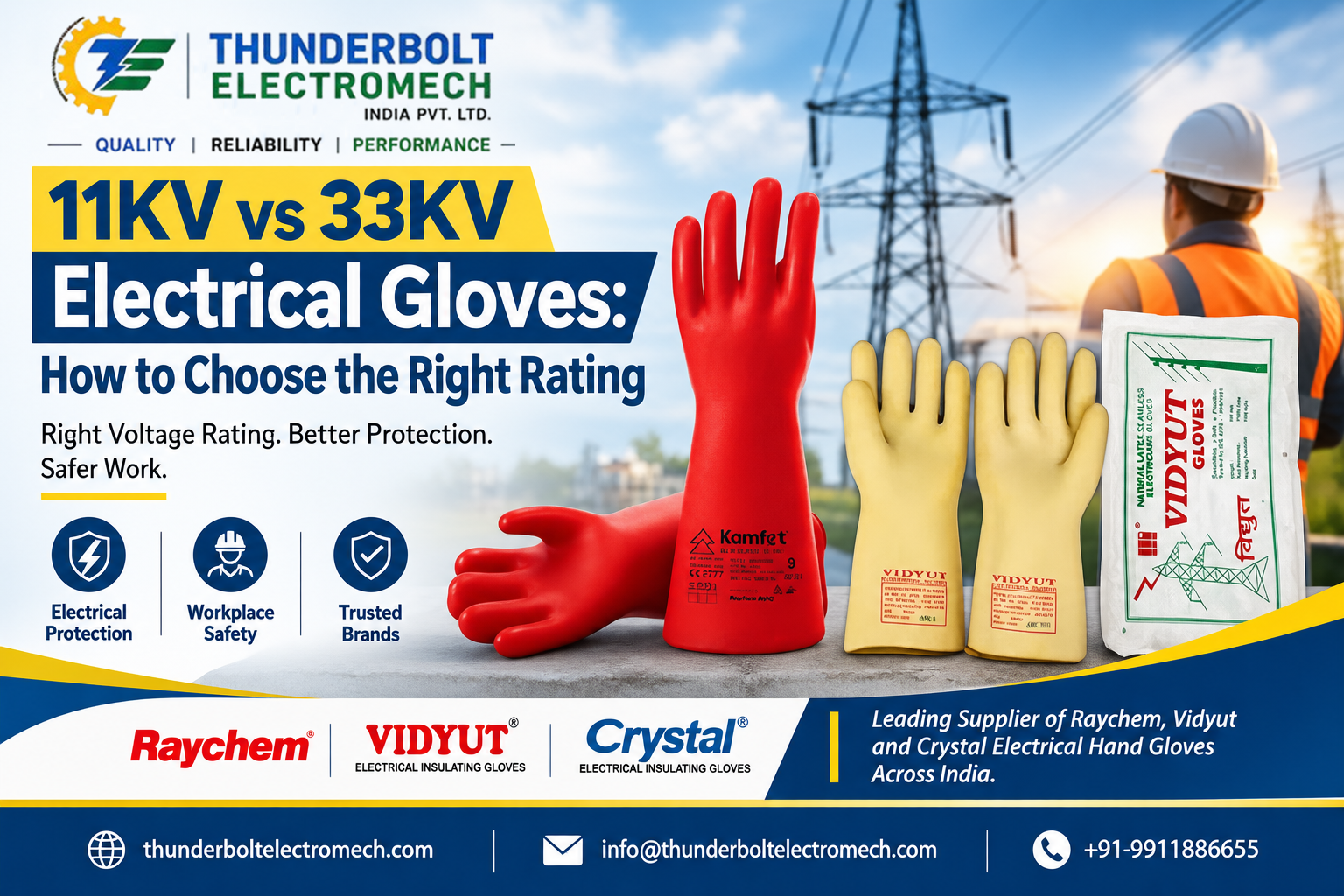
Quick Answer: 11KV and 33KV gloves are not interchangeable, and matching them by “nominal voltage” alone is the most common…
Quick Answer: Test insulating gloves before first issue, then retest them at intervals of no more than six months while…
Quick Answer: IEC 60903 is the international standard for electrical insulating gloves used in live work. It sets six voltage…